
Paint by Number Blog
The Ultimate Guide to Paint Used in Paint by Numbers Kits

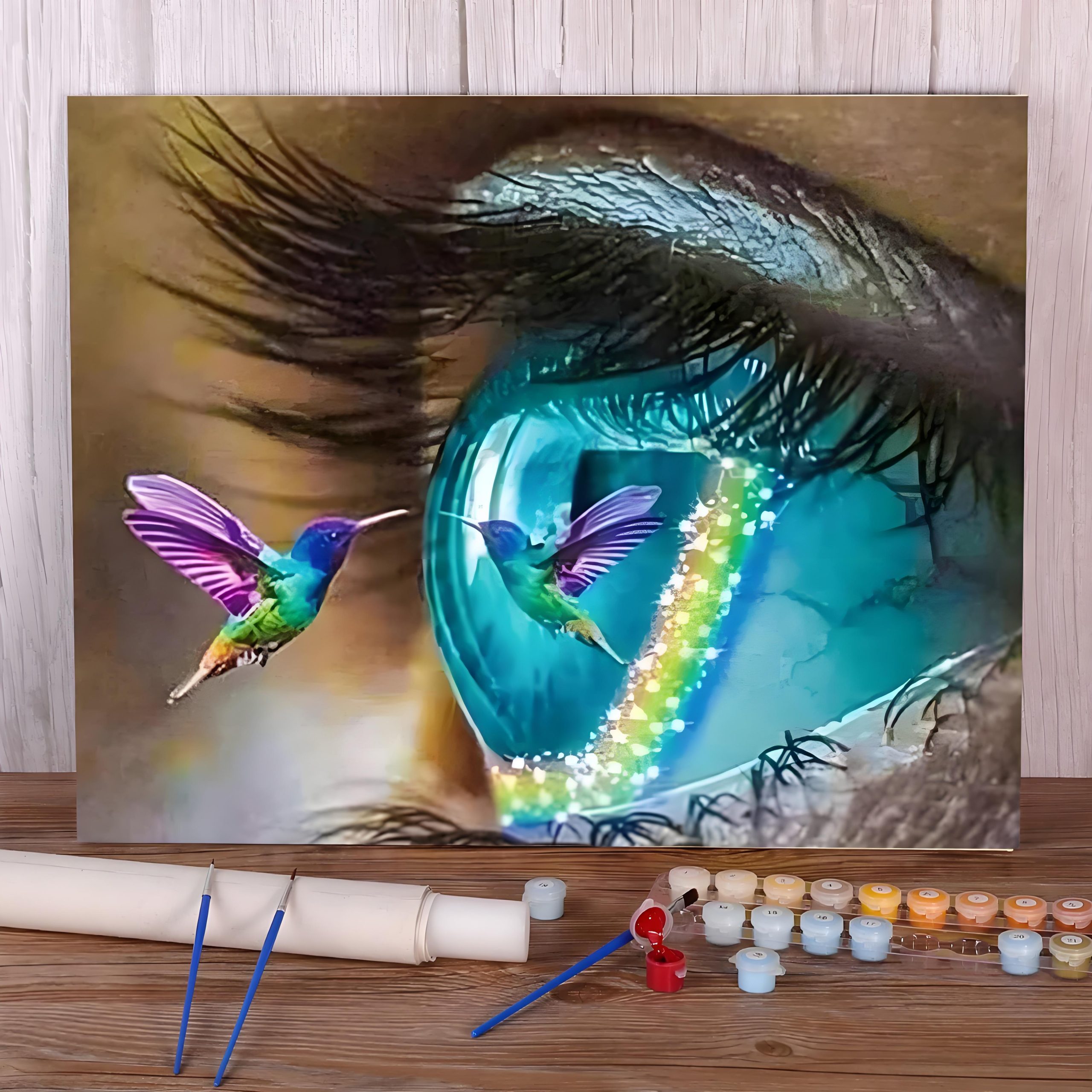
Paint by numbers is a delightful and accessible way for both beginners and seasoned artists to express their creativity. One of the most crucial aspects of this artistic endeavor is understanding the type of paint used in these kits. In this guide, we will explore the various types of paint commonly found in paint by numbers kits, their benefits, and tips for achieving the best results.
Understanding Paint by Numbers
Paint by numbers is a method that simplifies the painting process by breaking down an image into sections, each marked with a number corresponding to a specific color. This technique allows individuals to create beautiful artwork without needing extensive painting skills. The paint used in these kits plays a significant role in the outcome of the artwork.
The Evolution of Paint by Numbers
The concept of paint by numbers emerged in the early 1950s, gaining popularity as a way to make art accessible to everyone. Initially developed by the Palmer Show Card Paint Company, this technique has evolved over the years, with modern kits offering a variety of designs and paint types. Today, acrylic paint is the most commonly used medium in paint by numbers kits, thanks to its versatility and ease of use.
Types of Paint Used in Paint by Numbers Kits
When it comes to paint by numbers, the most prevalent type of paint is acrylic. However, there are several variations and alternatives worth exploring.
Acrylic Paint
Acrylic paint is a water-based medium that has become the standard for paint by numbers kits. Its popularity stems from several key advantages:
- Quick Drying Time: Acrylic paint dries rapidly, allowing artists to layer colors without long waiting periods. This feature is particularly beneficial for those eager to complete their projects.
- Ease of Use: Acrylics are user-friendly, making them suitable for beginners. They can be easily thinned with water, and brushes can be cleaned with soap and water.
- Vibrant Colors: Acrylic paints offer a wide range of vibrant colors, ensuring that the final artwork is visually appealing.
- Non-Toxic: Most acrylic paints are non-toxic, making them safe for use by children and adults alike.
Gouache Paint
Gouache is another type of paint that can be found in some paint by numbers kits. It is similar to watercolor but has a higher pigment concentration, resulting in a more opaque finish. Here are some characteristics of gouache:
- Opaque Finish: Gouache provides a solid color coverage, making it ideal for achieving a matte look.
- Reworkable: Unlike acrylics, gouache can be reactivated with water even after it has dried, allowing for adjustments and corrections.
- Quick Drying: Similar to acrylics, gouache dries quickly, enabling artists to work efficiently.
Oil Paint
While less common in paint by numbers kits, oil paint is occasionally used. It has distinct characteristics that set it apart from acrylics and gouache:
- Rich Texture: Oil paints offer a creamy texture that can create depth and richness in artwork.
- Longer Drying Time: Unlike acrylics, oil paints take longer to dry, which can be both an advantage and a disadvantage. This allows for blending and layering but requires patience.
- Strong Odor: Oil paints often have a strong smell due to the solvents used, which may not be suitable for all artists.
Why Acrylic Paint is the Preferred Choice
Acrylic paint is the go-to option for most paint by numbers kits, and for good reason. Here are some compelling reasons why it stands out:
Versatility
Acrylics can be used on various surfaces, including canvas, wood, and paper. This versatility allows artists to experiment with different textures and styles.
Easy Cleanup
One of the significant advantages of acrylic paint is its easy cleanup. Brushes and tools can be cleaned with soap and water, making the painting process less cumbersome.
Layering Capabilities
Acrylic paint dries quickly, allowing artists to apply multiple layers without waiting for extended periods. This feature is particularly useful for achieving depth and dimension in artwork.
Color Mixing
Acrylics can be easily mixed to create custom shades, giving artists the freedom to experiment with color combinations and achieve their desired results.
Tips for Using Acrylic Paint in Paint by Numbers
To make the most of your paint by numbers experience, consider the following tips when working with acrylic paint:
Prepare Your Workspace
Set up a clean and well-lit area to work on your painting. A flat surface will help prevent spills and keep your materials organized.
Use Quality Brushes
Invest in a variety of brushes to suit different areas of your painting. A mix of fine and broad brushes will allow for greater detail and coverage.
Follow the Numbers
Take your time to match the colors with the corresponding numbers accurately. This attention to detail will help maintain the integrity of the design.
Layering Techniques
If your kit allows, experiment with layering colors to create depth. For instance, apply lighter shades over darker ones to achieve highlights and shadows.
Touch Up Edges
Once the paint has dried, revisit any areas where the paint may have bled outside the lines or where the color appears uneven. A fine brush can help refine these edges.
Sealing Your Finished Artwork
After completing your paint by numbers project, consider sealing it to protect your artwork and enhance its longevity. Here’s how to do it:
Choose a Sealant
Select a suitable sealant, such as Mod Podge or a clear acrylic varnish. These products will provide a protective layer over your painting.
Application Process
- Ensure your painting is completely dry before applying the sealant.
- Use a wide brush to apply a thin, even coat of sealant over the entire surface.
- Allow the first coat to dry before applying a second coat in the opposite direction for added protection.
Common Mistakes to Avoid
While paint by numbers is designed to be straightforward, there are some common pitfalls to watch out for:
Skipping the Instructions
Always read the instructions that come with your kit. Each kit may have specific guidelines for color mixing and application techniques.
Overloading the Brush
Avoid dipping your brush too deeply into the paint. A small amount is often sufficient, and it’s easier to add more than to remove excess paint.
Neglecting to Clean Brushes
Regularly clean your brushes during the painting process to prevent color contamination and ensure smooth application.
Understanding the type of paint used in paint by numbers kits is essential for achieving the best results. Acrylic paint remains the preferred choice due to its versatility, ease of use, and vibrant colors. By following the tips outlined in this guide, you can enhance your painting experience and create stunning artwork that you’ll be proud to display. Whether you’re a beginner or an experienced artist, paint by numbers offers a fun and fulfilling way to explore your creativity.