
Paint by Number Blog
How to Fix Dried Paint in Your Paint by Numbers Kit: A Simple Rescue Guide

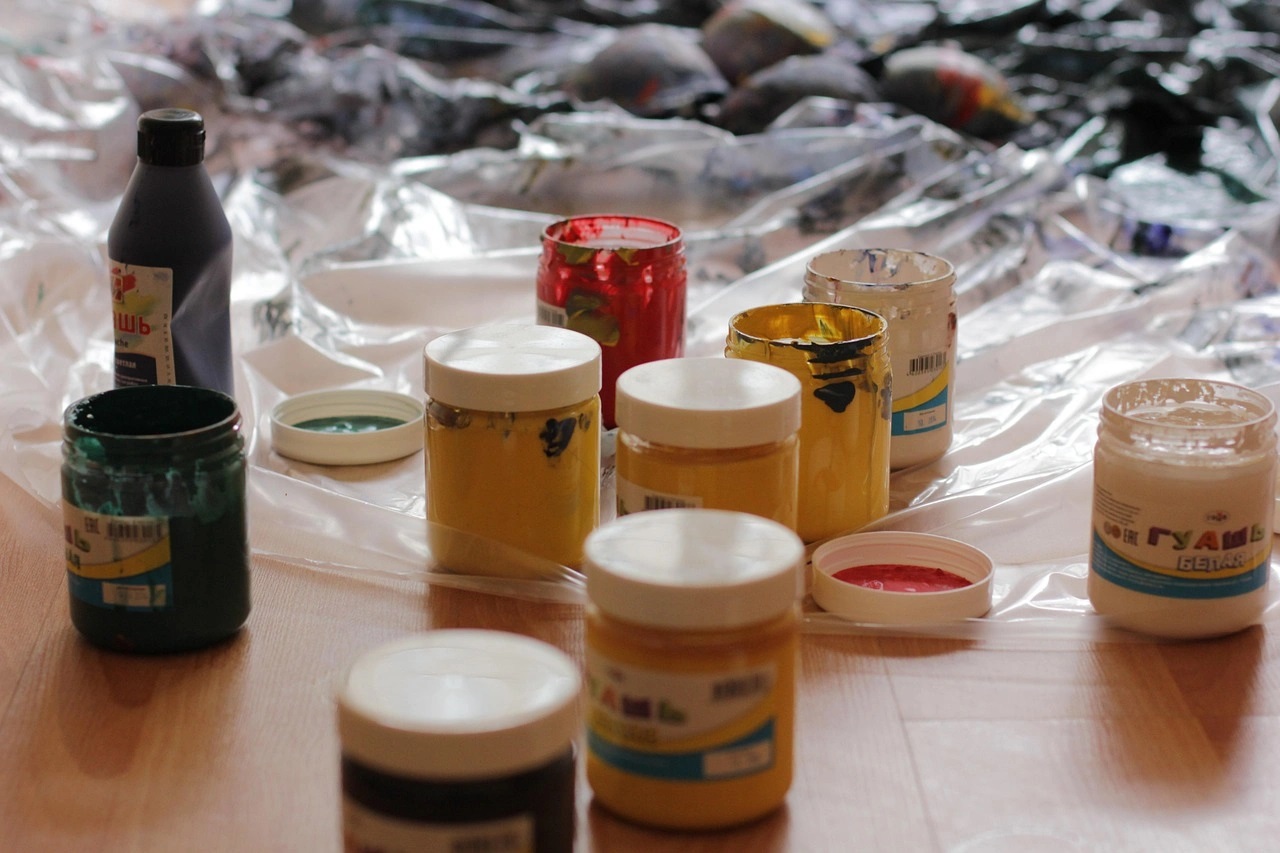
Have you ever excitedly opened your paint by numbers kit, only to discover dried paint pots waiting for you? It's a frustrating moment that can instantly disrupt the relaxation we seek from this creative hobby. In fact, many people use paint by numbers specifically to unwind from daily stressors, but dried paint can quickly become a stressor itself!
Fortunately, when your paint by number paint dries out, it's not the end of your artistic journey. Although acrylic paints (the most commonly used type in paint-by-number kits) dry out when exposed to air, there are several simple ways to revive dried paint and get back to creating. Acrylic paints are particularly sensitive to extreme temperatures and low humidity, causing them to dry more quickly, but this doesn't mean they're ruined.
In this guide, we'll explore why paint dries out in the first place and share five proven methods to fix dried out paint in your kit. Whether you're dealing with slightly thickened colors or completely hardened pots, we've got solutions that will have you painting again in no time. Let's rescue those dried paints together!
Why Paint by Numbers Paint Dries Out
Understanding the reasons behind dried paint in your kit is the first step toward effective prevention. Several factors contribute to this common frustration among paint by numbers enthusiasts.
Common causes of dried paint
The primary culprit for dried paint is exposure to air. When paint containers aren't properly sealed after each use, air gets in and begins the drying process, creating a hardened surface. Additionally, inadequate storage conditions can significantly accelerate drying. Acrylic paints are particularly sensitive to extreme temperatures and low humidity, causing them to dry more quickly.
The age of paints also matters considerably. Once opened, acrylic colors don't last indefinitely, which is why it's advisable to only open paint pots immediately before using them. Moreover, the quality of paint plays a crucial role - lower quality acrylic paints tend to dry out faster than premium options.
How acrylic paint reacts to air and heat
Acrylic paint dries through a process called evaporation. As water leaves the paint film, tiny acrylic polymer spheres are forced closer together. Eventually, they become so tightly packed that capillary forces pull remaining water from the paint. During this process, the polymer spheres actually deform and combine with each other in a process called coalescence.
This drying occurs in two distinct stages. First, a skin forms over the surface - this is when paint feels "dry to the touch." Subsequently, the entire thickness needs to dry completely, which can take much longer. For thin films, complete drying may take days, while thicker applications can take months.
Temperature significantly affects this process. Ideally, acrylic paint should dry at temperatures between 70-90°F. At temperatures below 49°F (9°C), the polymer solids cannot properly coalesce, potentially resulting in cracking or adhesion failure. Conversely, high heat accelerates drying, sometimes causing bubbling or uneven texture if the paint dries too rapidly.
Why small paint pots dry faster
The small paint pots in paint by numbers kits are especially prone to drying out due to their high surface-area-to-volume ratio. Whenever opened, a greater percentage of the paint is exposed to air compared to larger containers.
These small pots also heat up faster in warm environments, speeding up the evaporation process. Furthermore, the repeated opening and closing of these tiny containers during a painting session allows more air to enter, further accelerating drying. This explains why you might return to your kit after a break only to find hardened or thickened paint, particularly in colors you use less frequently.
How to Tell If Your Paint Can Be Saved
Not all dried paint is beyond saving! Before attempting to revive your paint by numbers supplies, you need to determine if they're worth salvaging or should be discarded. Let's examine how to assess your dried paint properly.
Signs of mold or a bad smell
Mold is a definite indicator that your paint has gone bad and should not be used. Visually, mold appears as fine hairs clumped together on the paint surface or within the first 1/16" of the paint. It grows in various colors, including white, yellow, black, green, and brown, sometimes resembling a leaf or clover lying on the paint surface.
Your nose can be equally helpful in this assessment. Fresh acrylic paint has a distinct smell, nevertheless, if your paint emits a strong, unpleasant, musty, or rotten odor, it has likely spoiled. Trust your sense of smell—it rarely leads you astray when detecting spoiled paint.
What separation means and when it's okay
Occasionally, you might find your paint has separated into layers with a clear liquid on top. This happens due to emulsion failure, where the pigment and binder separate. Unlike moldy paint, separated paint can often be saved.
Separation differs from dried paint in a crucial way—dried paint becomes hard, whereas separated paint forms squishy clusters that, when pressed, will mix again with the paint. Initially, try kneading soft plastic containers slowly from side to side. For hard containers, use a wooden dowel, the back of a paintbrush, or a popsicle stick to gently stir the paint back together.
How to test paint consistency
To test if your dried paint can be revived, check its physical state. Completely hardened paint will be solid and inflexible, whereas paint that has merely thickened maintains some pliability.
For slightly dried paint, press into it with a tool—if it gives way or leaves an impression, it has potential for revival. Indeed, if you notice cracking in your palette, the paint might still be salvageable by slowly adding water.
Another simple test involves examining the texture. Rubbery or lumpy consistency, certainly after mixing, indicates the paint has begun to deteriorate but might still be usable with proper treatment. However, if adding a few drops of water doesn't help restore smoothness, your paint may be too far gone.
5 Simple Ways to Fix Dried Paint
Fortunately, rescuing dried paint is simpler than you might think. Here are five proven methods to bring your paint by numbers colors back to life.
1. Add warm water and stir slowly
Since acrylic paints are water-soluble, warm water is your first line of defense against dried paint. Warm water works better than cold because it doesn't alter the paint's concentration while effectively loosening dried particles. Using a toothpick, add water droplets gradually to the paint pot and stir thoroughly. For stubborn cases, consider leaving the mixture overnight to allow proper absorption. Remember to seal the container properly afterward to prevent further drying.
2. Use a flow aid or flow improver
Flow aids are specially formulated liquids that enhance paint consistency without diluting color intensity. Unlike water alone, which can make paint transparent, flow aid maintains the richness of color. For optimal results, mix one drop of flow aid with approximately 20 drops of water, then add this solution to your dried paint. Alternatively, add a few drops of undiluted flow aid directly to particularly stubborn dried paint and allow it to sit with the lid closed before stirring.
3. Try a thinning medium for better consistency
Thinning mediums offer a more professional approach to fixing dried paint. These gel-like substances are specifically designed to enhance paint consistency without compromising color quality. Pour the medium into the paint gradually, stirring constantly until you achieve the desired consistency. Thinning mediums work exceptionally well on paints that have thickened but haven't completely hardened.
4. Use a wet palette to rehydrate paint
A wet palette provides an excellent environment for reviving dried paint. This simple system consists of a water reservoir with a semi-permeable membrane (like parchment paper) placed over a spongy material. The membrane allows moisture to reach the paint while preventing it from seeping back into the reservoir. This method effectively offsets evaporation, keeping your paint workable for hours or even days.
5. Add an agitator ball to mix hardened paint
For paint that's settled or hardened around the container's edges, agitator balls offer an effective solution. These small stainless steel or glass balls help break up clumps and solidified paint particles when shaken vigorously. For best results, add two 5.5mm balls to your paint bottle and shake for about 30 seconds. Using two balls creates a more randomized movement pattern, making the mixing process more efficient.
Tips to Prevent Paint from Drying Out Again
Prevention is always better than a cure when it comes to dealing with dried paint in your paint by numbers kit. Once you've successfully revived your hardened paints, follow these practical steps to keep them fresh for future painting sessions.
Seal paint pots tightly after use
The most crucial step in preventing paint from drying out is to seal containers tightly immediately after each use. Air exposure is the primary cause of premature drying. Make it a habit to close each pot securely throughout your painting session, even during short breaks. For optimal results, replace lids quickly after using a color to maintain moisture levels inside each pot. This simple practice significantly extends the lifespan of your paints as air-tight containers prevent the evaporation process from beginning.
Store in a cool, dry place
The ideal storage temperature for acrylic paints ranges between 15°C and 25°C (59°F to 77°F). Higher temperatures accelerate the drying process, consequently affecting the paint's texture and color quality. Keep your paint pots away from direct sunlight, heaters, and areas with extreme temperature fluctuations. A dark, moisture-free environment is ideal for preserving the freshness of your paint. Consider storing your kit in a drawer or closet rather than on a windowsill or near a heat source.
Use plastic wrap under lids
To create an even more effective air-tight seal, place plastic food wrap between the lid and the paint pot. This technique provides an additional barrier against air exposure. Simply pull off a piece of plastic wrap, lay it directly on the paint surface, press it against the sides of the container, as well as replace the lid. Upon your next painting session, carefully remove the plastic and your paint will remain fresh and ready to use.
Work with small amounts at a time
Instead of repeatedly opening and closing your paint pots, scoop small amounts onto a palette or plastic plate. Afterward, seal the original containers to minimize air exposure. This technique is particularly effective for longer painting sessions, as it limits how often the main paint supply is exposed to air. Furthermore, working with smaller quantities ensures the majority of your paint stays properly sealed.
Mist with water during long sessions
Throughout extended painting sessions, occasionally spritz your paints with a fine mist of water to maintain appropriate moisture levels. Use a small spray bottle to create a gentle mist—just enough to prevent surface drying without diluting the colors. This technique is especially helpful in dry environments where paints tend to dry more rapidly on your palette.
Conclusion
Dried paint certainly doesn't spell the end for your painting by numbers journey. Throughout this guide, we've explored why acrylic paints dry out, how to assess their salvageability, and several effective revival methods. Most importantly, we've discovered that patience and the right techniques can bring seemingly ruined paints back to life.
Water remains your best ally when tackling dried paint, whether used alone or combined with specialized products like flow aids and thinning mediums. Additionally, preventative measures such as proper sealing and storage will keep your paints fresh for future sessions.
Remember, dried paint happens to everyone at some point! Therefore, don't let this common issue discourage you from enjoying your creative hobby. Rescuing dried paint is a valuable skill that will serve you well throughout your painting adventures.
We hope these simple solutions help you get back to the relaxing experience paint by numbers should be. After all, this hobby is about unwinding and expressing creativity—not stressing over technical issues. Now you have the knowledge to overcome dried paint challenges quickly and return to what matters most: enjoying your artistic journey!